
"San Jos"
500 article(s) found
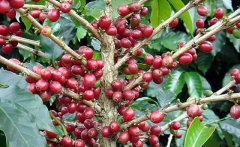
Costa Rican coffee has full particles, ideal acidity and unique strong flavor.
High-quality Costa Rican coffee is called extra hard beans, and this kind of coffee can grow at an altitude of more than 1500 meters. Altitude has always been a problem for coffee growers. The higher the altitude, the better the coffee beans, not only because the higher altitude can increase the acidity of the coffee beans and thus increase the flavor, but also because the night temperature at the higher altitude is lower, the trees can grow slowly.

The style characteristics of Costa Rican Coffee
For more information on coffee beans, please follow the Coffee Workshop (Wechat official account cafe_style). In the past, Costa Rica has successfully sold its coffee according to the name of its producing area. However, tastes vary from region to region, so it is well worth exploring each region to see what kind of coffee beans they can produce. CENTRAL VALLEY

The origin of Costa Rican coffee beans boutique coffee
High-quality Costa Rican coffee is called extra hard beans, and this kind of coffee can grow at an altitude of more than 1500 meters. Altitude has always been a problem for coffee growers. The higher the altitude, the better the coffee beans, not only because the higher altitude can increase the acidity of the coffee beans and thus increase the flavor, but also because the night temperature at the higher altitude is lower, the trees can grow slowly.

Mysterious, low-key Cuban coffee flavor
For more information on coffee beans, please follow the history of coffee workshops (official Wechat account cafe_style): the coffee industry in Cuba began in the mid-18th century. The first coffee farm was established by Don Jos Gelabert in Wajay on the outskirts of Havana in 1748. The seeds of coffee came from Santo Domingo at that time, that is, Dominica today.

Charming fragrant Costa Rican Goddess Manor Coffee Flavor description characteristics of Grinding degree introduction of producing areas
High-quality Costa Rican coffee is called extra hard beans, and this kind of coffee can grow at an altitude of more than 1500 meters. Altitude has always been a problem for coffee growers. The higher the altitude, the better the coffee beans, not only because the higher altitude can increase the acidity of the coffee beans and thus increase the flavor, but also because the night temperature at the higher altitude is lower, which can make the trees grow slowly.

Costa Rican coffee flavor Costa Rican coffee origin
The country's coffee industry, originally controlled by the Costa Rican Coffee Industry Company (Instituto del Caf de Costa Rica, ICAFE), has been taken over by the official Coffee Committee (Oficina del Caf). Among the exported coffee, those products that are considered to be of substandard quality are colored with blue vegetable dyes and then transferred back to China for sale. Coffee consumed at home

Costa Rican coffee beans and coffee beans
Costa Rica has many advantages, but it must be taken into account that it increases the additional transportation costs, which may well make coffee production unprofitable. Costa Rican coffee has adopted new technologies to increase efficiency, including the use of electric eyes to select beans and identify beans of irregular size. Tarasu is located in the south of San Jos, the capital of the country, and it is heavily affected by the country.

Introduction to the cultivation of El Retono Coffee in Comayagua small Tree Manor in Gongmayagua producing area of Honduras
Professional barista exchange please pay attention to the coffee workshop (Wechat official account cafe_style) Honduras small tree manor El Retoo belongs to Comayagua Sebastian town San Sebastian, Gongma yagua producing area, up to 1780 meters above sea level, coffee variety is mainly Kaduai Catuai, manor owner Suyapa Suyapa Leticia Argueta Suazo believes that although Kaduai is vulnerable to disease

Introduction to the taste and flavor of Costa Rican boutique coffee bean manor.
1502 C. Columbus discovered the coast of Costa Rica on his fourth voyage. Since then, the Spanish colonists have invaded many times. The city of Catago was founded in 1563 and Costa Rica was colonized by Spain and placed under the jurisdiction of the Governor's Office of Guatemala. During the colonial period, under the cruel enslavement and oppression of the Spanish colonists, the Indians were almost wiped out and there was little labor available for enslavement.

How to introduce Costa Rican red honey, this bean yellow honey flavor red bourbon
How to introduce Costa Rican Red Honey Red Bourbon Costa Rican Tangmeo processing Plant (Don Mayo) is a new Costa Rican manor, determined to become the leading manor in Costa Rica, with the splendor of the rising star, the family cooperative was founded in 1994, but did not set up its own processing plant until 2005, which has a history of 17 years. Tang Mayo's disposal yard.

A brief introduction to the flavor, taste and aroma characteristics of St. Louis coffee beans treated with Costa Rican yellow honey
After peeling, the peel and pulp of the coffee fruit are recovered as feed for livestock, or converted into organic fertilizer, as well as coffee bean dryer fuel. It can be said that in every process of coffee production, Costa Rica complies with the requirements of maintaining the natural environment. Coffee is an important export product of Costa Rica. It earns a lot of foreign exchange for the country every year, which is vividly called gold.

Costa Rican coffee beans introduce the origin of Costa Rican coffee beans
High-quality Costa Rican coffee is called extra hard beans, and this kind of coffee can grow at an altitude of more than 1500 meters. Altitude has always been a problem for coffee growers. The higher the altitude, the better the coffee beans, not only because the higher altitude can increase the acidity of the coffee beans and thus increase the flavor, but also because the night temperature at the higher altitude is lower, which can make the trees grow slowly.

Costa Rican Coffee Manor area introduces Costa Rican Coffee Flavor Coffee
With fertile volcanic soil and good drainage, Dariga is the first country in Central America to grow coffee and bananas because of its commercial value. Coffee and bananas are the country's main exports. Coffee was introduced into Costa Rica from Cuba in 1729. Today, its coffee industry is one of the well-organized industries in the world, with a yield of 1700 kg per hectare. Gostad

The variety, brand recommendation and manor introduction of single bean in Saint Roman Manor, Costa Rica.
Exchange of professional baristas please pay attention to the coffee workshop (Wechat official account cafe_style) Costa Rica Saint Roman Manor single bean varieties, brand recommendations and manor introduction Costa Rican volcanic terrain with fertile volcanic ash, mild and suitable temperature, and stable and abundant rainfall are all factors that make coffee a major agricultural product in Costa Rica. The seven major producing areas are: Tarrzu and Tres Ri

Costa Rican coffee imprint
Tarrazu in Costa Rica is one of the major coffee producing areas in the world. The coffee produced by Tarasu has a clear and pure flavor and pleasant aroma.
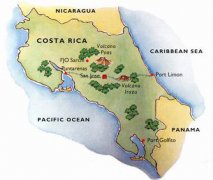
Introduction to Costa Rican Coffee
Tarrazu in Costa Rica is one of the major coffee producing areas in the world. The coffee produced is light and pure in flavor and pleasant in aroma. Costa Rica, with its fertile volcanic soil and good drainage, is the first country in Central America to grow coffee and bananas for commercial value. Coffee and bananas are the country's main exports. In 1729, coffee was introduced from Cuba to Costa.

Introduction to the flavor description of Costa Rican Yerzaro Coffee
Tarrazu in Costa Rica is one of the major coffee producing areas in the world. The coffee produced is light and pure in flavor and pleasant in aroma. Costa Rica, with its fertile volcanic soil and good drainage, is the first country in Central America to grow coffee and bananas for commercial value. Coffee and bananas are the country's main exports. In 1729, coffee was introduced from Cuba to Goth.

World boutique coffee knowledge Costa Rican coffee
Tarrazu in Costa Rica is one of the major coffee producing areas in the world. The coffee produced is light and pure in flavor and pleasant in aroma. Costa Rica, with its fertile volcanic soil and good drainage, is the first country in Central America to grow coffee and bananas for commercial value. Coffee and bananas are the country's main exports. In 1729, coffee was introduced from Cuba to Costa.

Characteristics of Costa Rican coffee the culture of Costa Rican coffee
Costa Rican coffee is called extra hard beans, and this kind of coffee can grow at an altitude of more than 1500 meters. Altitude has always been a problem for coffee growers. The higher the altitude, the better the coffee beans, not only because the higher altitude can increase the acidity of the coffee beans and thus increase the flavor, but also because the night temperature at the higher altitude is lower, which makes the trees grow slowly, thus making the coffee.

Turrialba Manor Duli Alba, Costa Rica
The high-quality Costa Rican coffee at Turrialba Manor Duli Alba, Costa Rica, is called extra hard beans, and this kind of coffee can grow above 1500 meters above sea level. Altitude has always been a problem for coffee growers. The higher the altitude, the better the coffee beans, not only because the higher altitude can increase the acidity of coffee beans and thus increase the flavor, but also because of the higher altitude.